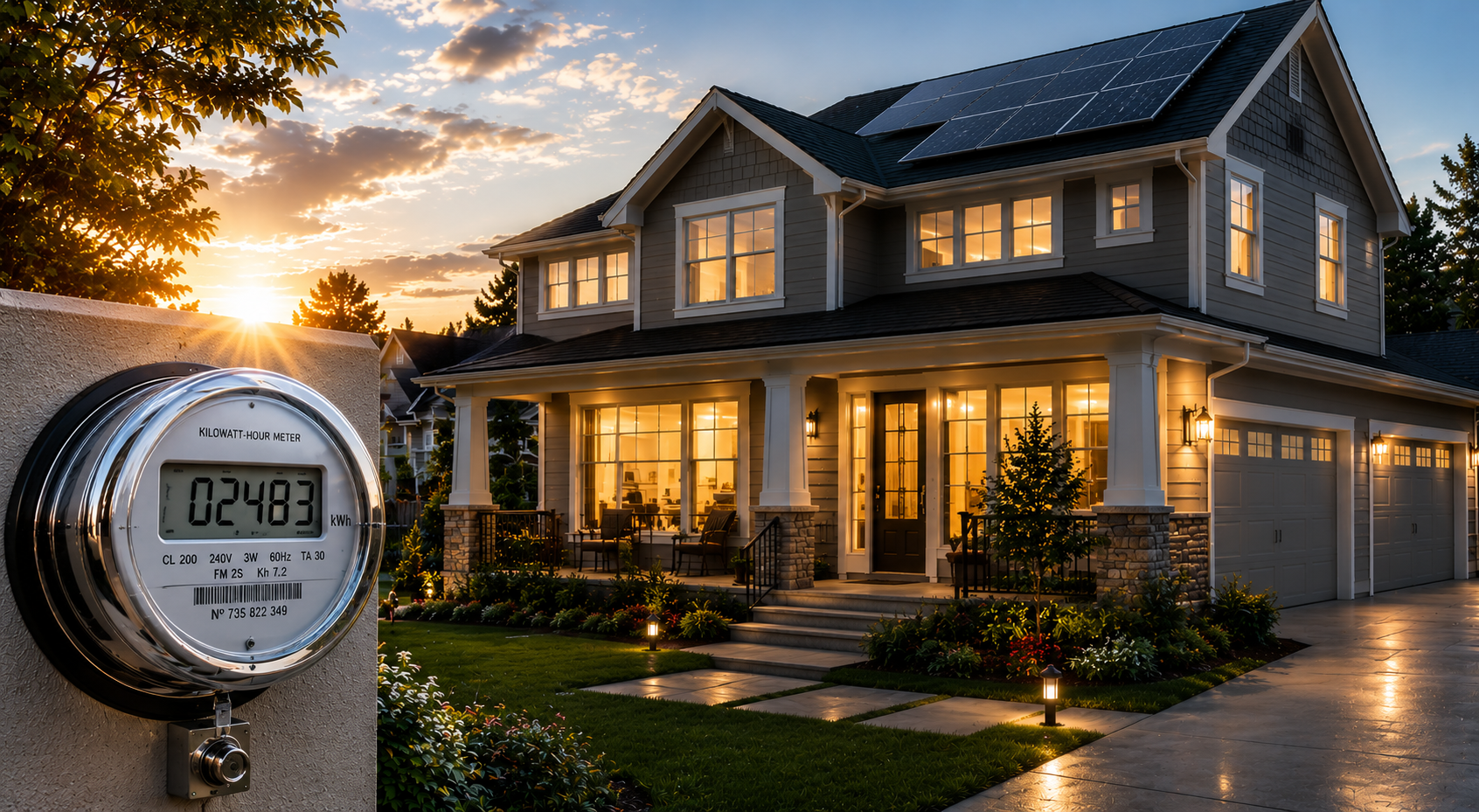
Reducing a home electricity bill does not always require a dramatic technology. In many cases, small improvements in behavior, equipment, and monitoring can produce meaningful savings over time.
1. Replace Old Lighting With LEDs
LED lighting uses far less electricity than older incandescent lamps and usually lasts much longer. This is one of the easiest changes for most households.
2. Reduce Standby Consumption
Televisions, chargers, computers, game consoles, and smart devices can consume electricity even when not actively used. Smart power strips can help reduce unnecessary standby loads.
3. Optimize Heating And Cooling
In many homes, heating and cooling are the largest energy consumers. Adjusting thermostat settings, replacing filters, and maintaining HVAC systems can reduce waste.
4. Use Smart Thermostats
A smart thermostat can reduce energy use by adjusting temperature schedules automatically. The largest savings usually come from avoiding heating or cooling empty rooms or empty homes.
5. Improve Insulation
Poor insulation causes heat loss in winter and heat gain in summer. Roof insulation, wall insulation, window sealing, and door sealing can all reduce the load on HVAC systems.
6. Choose Efficient Appliances
Modern refrigerators, washing machines, and dishwashers can use significantly less energy than older units. When replacing equipment, energy labels are worth comparing carefully.
7. Use Time-Of-Use Tariffs When Available
Some utilities offer lower rates during off-peak hours. Running laundry, dishwashers, or EV charging during lower-cost periods can reduce bills.
8. Monitor Your Consumption
You cannot manage what you do not measure. Energy monitors and smart meters can reveal when consumption spikes and which habits cost the most.
9. Maintain Water Heating Systems
Water heating can be a major cost. Lowering the setpoint, insulating hot water pipes, and fixing leaks can reduce waste.
10. Consider A Home Energy Audit
A home energy audit can identify the biggest energy losses. In many homes, the cheapest savings come from fixing leaks, insulation gaps, inefficient appliances, and poor HVAC control.
Want to see the Energy Revolution presentation?
If you are researching alternative energy concepts, the official presentation explains what the system claims, what is included, and why many homeowners are watching it.
Read The Full Energy Revolution Review